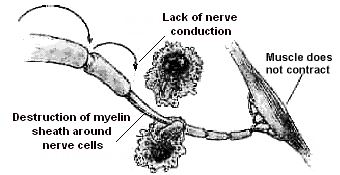
The peripheral nervous system also carries all the motor information from your brain and spinal cord back to the muscles of your body. This information can be voluntary (you decide you want to move a muscle and you move it) or involuntary (breathing, sweating, digesting, etc.).
The nervous system is divided into a central portion (brain and spinal cord) and a peripheral portion (all the nerves once they exit the brain and spinal cord). The peripheral nervous system carries all the sensory information from your body back to the spinal cord and brain. This sensory information can be the feeling of touch, the feeling of pain, the feeling of pressure, the feeling of hot or cold, and the feeling of knowing where your body parts are in space without looking at them.
Diagnosis
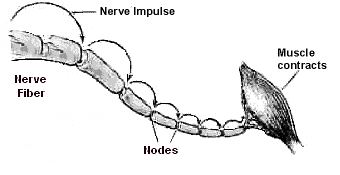
The most important diagnosis in the evaluation of peripheral nerve problems is electromyography (EMG) with nerve conduction studies (NCS) which provides an accurate and a quantitative information on the function of nerves and muscles and also helps to precisely localize the region of injury.
Causes
Compression of the nerve in the arms and legs occurs where the nerve travels through an area that is narrowed. Swelling of the nerve from diabetes, chemotherapy or repetitive trauma can cause the nerve to swell and get stuck in this area of narrowing. This will cause a lack of blood supply to the nerve and eventually will cause this area of the nerve to die.
Diagnosis
Possible surgeries for treatment may include:
The other Neurology Procedures are:
Few Major Hospitals for Peripheral Nerve Surgery are:
Thailand, Malaysia, Singapore, Turkey and India are the most cost effective locations that offer up to almost 80% savings in comparison to the US.
SurgeryPlanet facilitates a plethora of services to the medical treatment traveler also which includes, a hassle free and discounted travel option, a welcome hand at the airport on arrival, travel in an air-conditioned car, round the clock service & support. Your medical evaluation is pre arranged with the least of waiting time. Once your assessment is complete and found medically fit, the procedure is immediately scheduled without a waiting period. Please read through our Services and Testimonials to understand and select your best options.
Major Treatments Abroad: Obesity / Bariatric Surgery | Spine Surgery | Stem Cell therapy | Fertility treatment | Knee replacement in India and Thailand | Heart Surgery | Organ transplant | Ayurveda Treatment | Heart valve replacement | Hip resurfacing | Hospitals in India and Thailand for Laparoscopic Sterilization| Best hospitals in Asia | JCI & ISO certified Hospitals | Cost effective medical procedures | Healthcare tourism | Complete privacy for affordable cost | Weight loss procedures | Infertility treatment | Board certified physicians | Low cost surgeries
SurgeryPlanet is an Healthcare Facilitator and not a Medical service provider. The information provided in this website is not to be used for diagnosis or treatment of any medical condition or use for any medical purposes. We provide information solely for medical travel facilitation and do not endorse any particular health care provider, hospital, facility, destination or any healthcare service or treatment listed. We are not an agent for, or affiliated to any health care provider, or service listed in our website and is not responsible for health care services provided by them. Choice of hospital or doctor for your healthcare services is your independent decision. Consult your domestic licensed health care provider before seeking the services of any health care provider you learn about from our website.