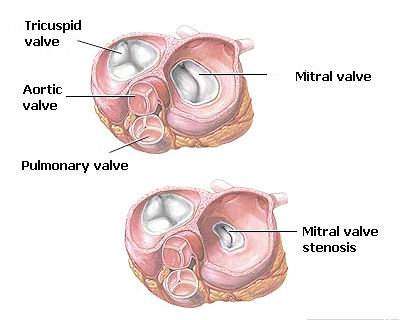
Heart valve replacement is a surgical procedure performed to replace a diseased or damaged heart valve with a mechanical or biological valve. The heart has four valves—aortic, mitral, pulmonary, and tricuspid—which ensure that blood flows in the correct direction through the heart chambers. When one or more of these valves becomes narrowed (stenosis) or fails to close properly (regurgitation), it can lead to serious complications, including heart failure, stroke, and arrhythmias.
There are several conditions and factors that can damage the heart valves, leading to the need for a heart valve replacement. Some of these conditions develop over time, while others may be present from birth (congenital defects).
Aortic Stenosis: The aortic valve becomes narrowed, preventing proper blood flow from the left ventricle to the aorta and the rest of the body.
Mitral Valve Prolapse: The mitral valve bulges backward into the left atrium, leading to leakage (regurgitation) and improper blood flow.
Rheumatic Heart Disease: A complication of untreated strep throat or rheumatic fever, which can damage the heart valves, particularly the mitral valve.
Infective Endocarditis: An infection of the heart’s inner lining that can damage or infect the heart valves, leading to their dysfunction.
Congenital Heart Defects: Some people are born with heart valve issues that may eventually require valve replacement.
Calcification of the Valve: Age-related wear and tear can lead to calcium deposits on the heart valve, particularly the aortic valve, causing it to stiffen and impair blood flow.
Heart Attack: Damage from a heart attack can affect the mitral valve, leading to its improper function.
Age: The risk of heart valve disease increases with age, especially for conditions like aortic stenosis.
Family history: A family history of heart disease or valve problems increases the likelihood of developing valve disease.
High blood pressure (Hypertension): Chronic high blood pressure puts strain on the heart valves, increasing the risk of valve disease.
Diabetes: Diabetes increases the risk of cardiovascular disease, including heart valve disease.
High cholesterol: Elevated cholesterol levels contribute to the development of atherosclerosis, which can affect the heart valves.
Infections: A history of infections like rheumatic fever or endocarditis increases the risk of heart valve damage.
By understanding the causes and risk factors for heart valve disease, patients can work with their healthcare providers to manage these risks and seek appropriate treatment.
The patient will be in an intensive care unit for the first 2 or 3 days following the surgery and the heart functions will be monitored constantly. The average hospital stay is 1 - 2 weeks. A total recovery will take a few weeks to several months, depending on previous health and age of the patient
Shortness of breath: Difficulty breathing, particularly during physical activity or when lying down.
Fatigue: Feeling unusually tired or weak, even with minimal activity, due to poor circulation.
Chest pain: Tightness or discomfort in the chest, which may occur with physical exertion or stress.
Swelling: Fluid buildup in the ankles, legs, or abdomen due to heart failure.
Palpitations: Irregular or rapid heartbeats that can be felt as fluttering or pounding in the chest.
Dizziness or fainting: A drop in blood pressure due to heart valve dysfunction can cause lightheadedness or loss of consciousness.
Frequent respiratory infections: Difficulty breathing due to fluid buildup in the lungs, especially in more advanced stages of heart valve disease.
If you experience any of these symptoms, it’s important to seek medical attention for a proper evaluation and diagnosis.
Diagnosing heart valve disease involves several tests and imaging procedures to determine the type and severity of the valve problem. A thorough evaluation helps determine whether heart valve replacement is necessary.
Physical Examination: A doctor will listen for abnormal heart sounds, such as murmurs, which may indicate a valve problem.
Echocardiogram: This ultrasound test uses sound waves to create images of the heart and its valves. It is the most important test for diagnosing valve disease, as it shows the structure and function of the valves.
Chest X-ray: A chest X-ray can reveal the size and shape of the heart and identify any fluid buildup in the lungs.
Electrocardiogram (ECG): An ECG records the electrical activity of the heart and can detect arrhythmias or abnormal heart rhythms caused by valve disease.
Cardiac MRI: A more detailed imaging test that evaluates heart function, including the condition of the valves and surrounding tissues.
Cardiac Catheterization: In some cases, a catheter is inserted into the blood vessels to measure the heart’s pressure and assess blood flow.
Stress Test: This test monitors the heart’s function during physical activity to assess the severity of the valve problem.
These diagnostic tools help doctors assess the condition of the heart and determine whether valve replacement is needed.
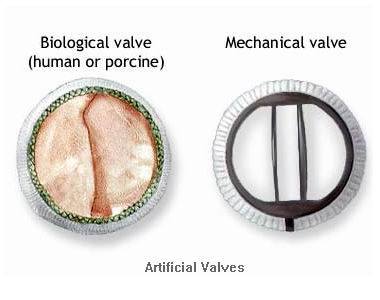
Heart valve replacement is a complex surgery that can be performed using either open-heart surgery or minimally invasive techniques, depending on the patient’s condition and the valve being replaced. The procedure involves removing the damaged valve and replacing it with a new one, either mechanical or biological (tissue).
Mechanical Valves: Made from durable materials such as carbon or titanium, mechanical valves are long-lasting and can last for many years. However, patients with mechanical valves need to take blood-thinning medications for life to prevent blood clots.
Biological (Tissue) Valves: Made from animal tissue (such as pig or cow) or from human donor tissue, biological valves are often preferred for older patients or those who cannot tolerate long-term use of blood thinners. However, tissue valves typically wear out over time and may need to be replaced after 10–20 years.
Preparation: The patient is given general anesthesia, and the surgical team prepares the area for incision.
Incision: For traditional open-heart surgery, an incision is made down the chest, and the breastbone is divided to access the heart. In some cases, minimally invasive techniques may be used with smaller incisions.
Removal of the damaged valve: The surgeon removes the diseased valve, taking care not to damage the surrounding tissue.
Implantation of the new valve: The replacement valve is carefully positioned and secured in place.
Closure: The surgical team reconnects the heart and closes the chest incision. A heart-lung machine is often used during surgery to take over the heart’s function while the valve is being replaced.
Post-operative care: The patient is closely monitored in the hospital for a few days after surgery to ensure the heart is functioning properly.
Like any major surgery, heart valve replacement carries risks. While the procedure is generally safe, complications can occur, including:
Infection: Infections can occur at the incision site or in the heart valve.
Blood clots: Clots can form in the heart and may travel to other parts of the body, causing a stroke or other issues.
Arrhythmias: Abnormal heart rhythms may develop during or after surgery.
Valve dysfunction: In rare cases, the new valve may not function as expected, requiring further intervention.
Bleeding: Some bleeding may occur during or after the procedure, requiring additional treatment.
Stroke: Although rare, a stroke may occur due to a clot or other complications during the surgery.
Your doctor will explain the risks and benefits of the surgery to help you make an informed decision.
Recovery from heart valve replacement surgery can take several weeks to months, depending on the individual’s overall health and the type of surgery performed. Most patients will spend a few days in the hospital for monitoring and recovery.
Follow-up appointments: Regular visits to the healthcare provider are essential to monitor recovery and check the function of the new valve.
Physical activity: Gradual reintroduction of physical activity and light exercise is recommended after the first few weeks, with more intense activities being reintroduced over time.
Medications: Blood thinners (if a mechanical valve was used) and other medications may be prescribed to prevent complications.
Diet and lifestyle changes: Maintaining a healthy diet and avoiding smoking or excessive alcohol consumption is important for long-term heart health.
Most patients experience significant improvements in their symptoms after valve replacement, including increased energy, reduced shortness of breath, and improved quality of life.
Most individuals who undergo heart valve replacement can return to normal activities, including work and exercise, after recovery. However, there are important considerations for long-term care:
Monitor heart health: Regular check-ups with a cardiologist are essential to monitor the function of the valve and detect any early signs of complications.
Medication adherence: If you have a mechanical valve, lifelong use of blood thinners is necessary to prevent blood clots.
Healthy lifestyle: Eating a heart-healthy diet, maintaining a healthy weight, and staying physically active are crucial for overall health and well-being.
Informed medical care: Always inform healthcare providers about your heart valve replacement before any medical procedures, including dental work or surgeries.
With proper care, most patients can enjoy a long, healthy life after heart valve replacement surgery.
The other Major Cardiac Procedures are:
Few Major Hospitals for Heart Valve Replacement are:
Thailand, Malaysia, Singapore, Turkey and India are the most cost effective locations that offer up to almost 80% savings in comparison to the US.
SurgeryPlanet facilitates a plethora of services to the medical treatment traveler also which includes, a hassle free and discounted travel option, a welcome hand at the airport on arrival, travel in an air-conditioned car, round the clock service & support. Your medical evaluation is pre arranged with the least of waiting time. Once your assessment is complete and found medically fit, the procedure is immediately scheduled without a waiting period. Please read through our Services and Testimonials to understand and select your best options.
Mitral Valve | Heart Failure | Mitral Valve Flaps | Heart Tissues | Commisurotomy | Commissures | Balloon Catheter | Annuloplasty | Annuloplasty Ring | Stroke | Bleeding | Heart Attack | Hospitals Heart Valve Replacement | Doctors Heart Valve Replacement | Surgeons Heart Valve Replacement | Surgery Heart Valve Replacement | Cost Heart Valve Replacement | Treatment Heart Valve Replacement | Destinations Heart Valve Replacement | Heart Valve Replacement India | Heart Valve Replacement Recovery | Heart Valve Replacement Information | Heart Valve Replacement Thailand | Heart Valve Replacement Malaysia | Heart Valve Replacement Abroad | Heart Valve Replacement Overseas | Heart Valve Replacement Low Cost
SurgeryPlanet is an Healthcare Facilitator and not a Medical service provider. The information provided in this website is not to be used for diagnosis or treatment of any medical condition or use for any medical purposes. We provide information solely for medical travel facilitation and do not endorse any particular health care provider, hospital, facility, destination or any healthcare service or treatment listed. We are not an agent for, or affiliated to any health care provider, or service listed in our website and is not responsible for health care services provided by them. Choice of hospital or doctor for your healthcare services is your independent decision. Consult your domestic licensed health care provider before seeking the services of any health care provider you learn about from our website.