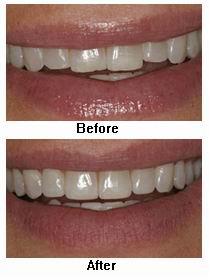
A beautiful smile is often one of the first things people notice about you. It's no surprise that many individuals seek dental procedures to improve their smile and overall appearance. Tooth contouring and reshaping is a popular and effective cosmetic dental procedure designed to subtly alter the shape, size, or surface of a tooth. It is a minimally invasive treatment that reshapes the enamel of the teeth, improving their appearance and helping patients achieve a more symmetrical, balanced smile.
Tooth contouring and reshaping can be a solution for those who have small imperfections in their smile, such as uneven edges, slightly crooked teeth, or minor chips. This procedure can be performed quickly, with little to no discomfort, and often doesn’t require anesthesia, making it an ideal option for individuals looking for a non-invasive way to enhance their smile.
In this comprehensive guide, we will explore the causes and risk factors that lead to the need for tooth contouring, symptoms and signs that indicate the procedure is suitable for you, the steps involved in diagnosis, treatment options, preventive care, complications, and how to live with your new smile post-treatment.
Tooth contouring and reshaping are typically sought for aesthetic reasons. Understanding the underlying causes that prompt individuals to seek this treatment can help you determine if this procedure is right for you. Here are some of the most common causes:
Some people are born with teeth that are irregularly shaped, whether they are too long, too short, too pointy, or uneven. Tooth contouring can smooth out sharp edges and make teeth appear more uniform.
Teeth that are slightly crooked, overlapping, or out of alignment can sometimes be reshaped to improve their appearance without needing braces or orthodontics. Tooth contouring can help balance your smile by slightly reshaping these teeth.
Sometimes, certain teeth are longer than others, or some may be shorter, causing an uneven smile. Contouring can correct these discrepancies by trimming longer teeth to achieve a more even look.
Minor chips and cracks from accidents, tooth grinding, or general wear and tear can be fixed through contouring, restoring the natural look of the tooth.
While tooth contouring typically focuses on reshaping teeth, it can be combined with gum reshaping or crown lengthening to create a more harmonious smile line, especially for individuals with a "gummy smile."
With age or prolonged teeth grinding (bruxism), enamel wears down, leading to a flat or worn appearance. Reshaping can restore a natural shape and enhance the appearance of worn teeth.
For minor gaps that don't require orthodontics, tooth contouring can reduce the size of the gaps and create a more symmetrical smile.
Genetic Predisposition: Natural variations in tooth shape or size can influence the need for reshaping.
Bruxism: Teeth grinding can lead to worn, jagged edges that benefit from contouring.
Trauma or Accidents: Teeth damaged from accidents often require contouring for cosmetic restoration.
Poor Oral Hygiene or Diet: These factors can contribute to uneven tooth wear or discoloration.
Tooth contouring and reshaping are generally non-invasive and effective for mild cosmetic issues. However, there are certain symptoms and signs that indicate whether this treatment may be necessary:
If your teeth have visible imperfections such as jagged edges, slight chips, or uneven surfaces, tooth contouring can restore symmetry.
For teeth that are slightly crooked or overlap without needing orthodontic work, contouring can help make them appear straighter and more uniform.
If your teeth are showing signs of wear, such as flattening, sensitivity to hot or cold, or rough surfaces, contouring may smooth them out and reduce discomfort.
Patients may seek tooth contouring simply for aesthetic reasons—to achieve a more pleasing, balanced, and proportionate smile.
Small gaps or diastemas between teeth that make you self-conscious can be easily reduced through contouring.
Teeth that have minor chips or cracks, either from accidental trauma or general wear, can benefit from contouring to restore their original shape.
Before undergoing tooth contouring and reshaping, your dentist will perform a thorough evaluation to determine if this procedure is suitable for you. Here’s what typically happens during the diagnostic process:
Your dentist will conduct a full examination of your teeth and gums. They will discuss your smile goals and any functional or aesthetic concerns you may have.
Your dentist will examine your teeth for any signs of tooth decay, gum disease, or other dental health issues that may need to be addressed before contouring.
X-rays or digital scans may be taken to ensure the underlying bone and tooth structure are healthy and suitable for reshaping.
In some cases, dentists use digital tools to simulate what your smile will look like after reshaping, allowing you to visualize potential changes and give feedback before proceeding.
The dentist will evaluate the condition of your enamel, tooth wear, gum health, and bite alignment. In some cases, contouring may not be recommended if the teeth or gums are too weak or damaged.
Tooth contouring and reshaping is a highly customizable procedure based on the patient's specific needs. Here are the primary treatment options:
Procedure: A small amount of enamel is carefully removed using a fine dental bur, reshaping the teeth to enhance their appearance.
Duration: Typically takes 30 to 60 minutes for a single tooth, depending on the number of teeth being treated.
No Anesthesia: Usually does not require anesthesia, as the process involves minimal discomfort.
Procedure: If necessary, a tooth-colored composite resin is applied to build up certain areas or reshape the tooth after contouring.
Benefits: Helps correct imperfections that contouring alone cannot address, such as gaps, chips, or fractures.
Procedure: Porcelain or composite veneers are thin shells placed over the teeth to cover imperfections, reshape the tooth, and improve appearance.
Use Case: Ideal for patients with more significant aesthetic issues that contouring cannot resolve alone.
Procedure: When reshaping is insufficient for severely damaged teeth, dental crowns (caps) can fully encase the tooth, restoring its shape and functionality.
Use Case: Appropriate for teeth that have extensive decay or damage.
Maintain a consistent oral hygiene routine—brushing twice daily and flossing at least once a day to prevent plaque buildup and decay, particularly after reshaping.
Avoid hard foods, sticky sweets, and acidic beverages immediately after treatment to prevent damage to reshaped teeth.
If you grind your teeth at night, wearing a nightguard can help prevent damage to your newly contoured teeth.
Stay consistent with dental visits for check-ups and professional cleanings, ensuring that any issues are identified and addressed early.
While tooth contouring is generally safe, there are some potential risks and complications to consider:
Minor sensitivity may occur after reshaping, especially to temperature changes.
Excessive enamel removal can compromise tooth strength and cause sensitivity or risk of fracture.
If gum tissue is disturbed during the reshaping process, some irritation or mild bleeding may occur.
If not done correctly, the reshaping may affect your bite, leading to discomfort or difficulty chewing.
Once your tooth contouring is completed, maintaining your new smile is essential for long-term success. Here’s what you can expect and how to care for your reshaped teeth:
Expect to feel more confident about your appearance, especially if tooth imperfections were previously affecting your self-esteem.
Your reshaped teeth will need to be maintained with proper hygiene, routine dental exams, and occasional touch-ups to ensure they remain in good condition.
Some patients may experience temporary sensitivity or discomfort post-treatment, but these symptoms typically subside within a few days.
Tooth contouring and reshaping is a cosmetic dental procedure that involves removing small amounts of tooth enamel to improve the shape, length, or surface of the teeth, creating a more balanced and aesthetically pleasing smile.
Good candidates have minor imperfections such as slightly uneven, chipped, overlapping, or irregularly shaped teeth, and want a quick, minimally invasive way to enhance their smile.
The dentist carefully removes small amounts of enamel using specialized dental instruments, then smooths and polishes the teeth to create the desired shape and appearance.
The procedure is generally painless since only enamel is removed, which does not contain nerves. Some patients may experience mild sensitivity afterward, but discomfort is minimal and temporary.
Tooth contouring and reshaping usually takes between 30 minutes to an hour, depending on the number of teeth involved and the extent of reshaping needed.
Results are permanent because enamel is removed. However, enamel does not regenerate, so proper oral care is essential to protect the reshaped teeth from decay or damage.
It can improve the appearance of mildly crooked or overlapping teeth but is not suitable for severe misalignment, which requires orthodontic treatment.
Costs vary depending on the extent of treatment and location, but it is generally an affordable cosmetic procedure compared to other dental treatments.
Risks are minimal but can include temporary tooth sensitivity or increased risk of enamel wear if not properly cared for. It’s important to have the procedure performed by an experienced dentist.
Maintain good oral hygiene by brushing and flossing regularly, avoid biting hard objects, and visit your dentist for routine check-ups to ensure the reshaped teeth remain healthy.

The other Dental Procedures are:
Few Popular Hospitals for Tooth Veneers are:
Thailand, Malaysia, Singapore, Turkey and India are the most cost effective locations that offer up to almost 80% savings in comparison to the US.
SurgeryPlanet facilitates a plethora of services to the medical treatment traveler also which includes, a hassle free and discounted travel option, a welcome hand at the airport on arrival, travel in an air-conditioned car, round the clock service & support. Your medical evaluation is pre arranged with the least of waiting time. Once your assessment is complete and found medically fit, the procedure is immediately scheduled without a waiting period. Please read through our Services and Testimonials to understand and select your best options.
Major Treatments Abroad: Obesity / Bariatric Surgery | Spine Surgery | Stem Cell therapy | Fertility treatment | Knee replacement in India and Thailand | Heart Surgery | Organ transplant | Ayurveda Treatment | Heart valve replacement | Hip resurfacing | Hospitals in India and Thailand for Laparoscopic Sterilization| Best hospitals in Asia | JCI & ISO certified Hospitals | Cost effective medical procedures | Healthcare tourism | Complete privacy for affordable cost | Weight loss procedures | Infertility treatment | Board certified physicians | Low cost surgeries
SurgeryPlanet is an Healthcare Facilitator and not a Medical service provider. The information provided in this website is not to be used for diagnosis or treatment of any medical condition or use for any medical purposes. We provide information solely for medical travel facilitation and do not endorse any particular health care provider, hospital, facility, destination or any healthcare service or treatment listed. We are not an agent for, or affiliated to any health care provider, or service listed in our website and is not responsible for health care services provided by them. Choice of hospital or doctor for your healthcare services is your independent decision. Consult your domestic licensed health care provider before seeking the services of any health care provider you learn about from our website.