The liver is the body's largest internal organ, weighing about 3 pounds in adults. It is located below the diaphragm on the right side of the abdomen.
The liver performs many complex functions in the body, including:
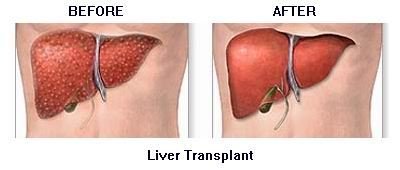
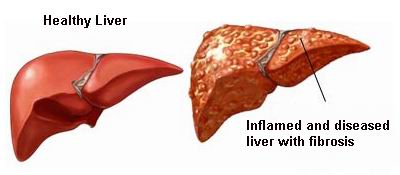
Liver transplantation is considered when the liver no longer functions adequately (liver failure). Liver failure can occur suddenly (acute liver failure) as a result of infection or complications from certain medications or it can be the end result of a long-term problem. The following conditions may result in liver failure:
Evaluations by specialists from a variety of fields are needed to determine if a liver transplant is appropriate. The evaluation includes a review of your medical history and a variety of tests. Many healthcare facilities offer an interdisciplinary approach to evaluate and to select candidates for liver transplantation. This interdisciplinary healthcare team may include the following professionals:
Tests
X-rays, liver biopsy slides and a record of medications are used for pre-evaluation for a liver transplant. To complement and to update previous tests, some or all of the following diagnostic studies are generally performed during your evaluation.
If specific problems are identified, additional tests may be ordered.
There are two types of liver transplant options: living donor transplant and deceased donor transplant.
Living donor liver transplants are an option for some patients with end-stage liver disease. This involves removing a segment of liver from a healthy living donor and implanting it into a recipient. Both the donor and recipient liver segments will grow to normal size in a few weeks.
The donor, who may be a blood relative, spouse, or friend, will have extensive medical and psychological evaluations to ensure the lowest possible risk. Blood type and body size are critical factors in determining who is an appropriate donor.
Recipients for the living donor transplant must be active on the transplant waiting list. Their health must also be stable enough to undergo transplantation with excellent chances of success.
In deceased donor liver transplant, the donor may be a victim of an accident or head injury. The donor's heart is still beating, but the brain has stopped functioning. Such a person is considered legally dead, because his or her brain has permanently and irreversibly stopped working. At this point, the donor is usually in an intensive-care unit.
The identity of a deceased donor and circumstances surrounding the person's death are kept confidential.
The other Gastro procedures are:
Few Major Hospitals for Liver Transplant are:
Thailand, Malaysia, Singapore, Turkey and India are the most cost effective locations that offer up to almost 80% savings in comparison to the US.
SurgeryPlanet facilitates a plethora of services to the medical treatment traveler also which includes, a hassle free and discounted travel option, a welcome hand at the airport on arrival, travel in an air-conditioned car, round the clock service & support. Your medical evaluation is pre arranged with the least of waiting time. Once your assessment is complete and found medically fit, the procedure is immediately scheduled without a waiting period. Please read through our Services and Testimonials to understand and select your best options.
Hospitals For Liver Transplant | Doctors For Liver Transplant | Surgery Liver Transplant | Cost Liver Transplant | Treatment Liver Transplant | Destinations Liver Transplant | Risks Liver Transplant | Liver Transplant In India | Liver Transplant Recovery | Liver Transplant Information | Liver Transplant Thailand | Liver Transplant In Malaysia | Liver Transplant Abroad | Liver Transplant Donors | Liver Transplant Overseas | Liver Transplant Low Cost | Liver Transplant In Singapore | Liver Transplant In Argentina | Liver Transplant | Liver Failure | Acute Liver Failure | Chronic Hepatitis With Cirrhosis | Biliary Cirrhosis | Sclerosing Cholangitis | Wilson’s Disease | Hepatologist | Liver Specialist | Liver Cancer
SurgeryPlanet is an Healthcare Facilitator and not a Medical service provider. The information provided in this website is not to be used for diagnosis or treatment of any medical condition or use for any medical purposes. We provide information solely for medical travel facilitation and do not endorse any particular health care provider, hospital, facility, destination or any healthcare service or treatment listed. We are not an agent for, or affiliated to any health care provider, or service listed in our website and is not responsible for health care services provided by them. Choice of hospital or doctor for your healthcare services is your independent decision. Consult your domestic licensed health care provider before seeking the services of any health care provider you learn about from our website.