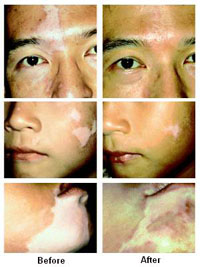
Vitiligo is a chronic skin condition where the immune system attacks the pigment-producing cells, known as melanocytes, causing white patches or depigmentation on the skin. These patches can appear anywhere on the body but are often found on areas exposed to the sun, such as the face, hands, and arms. Although vitiligo is not harmful or painful, it can significantly impact an individual’s appearance and self-esteem.
While there is no known cure for vitiligo, laser treatment for vitiligo has emerged as a promising option for repigmenting the skin and reducing the appearance of white patches. Laser therapy works by stimulating melanocytes in the affected skin to produce pigment (melanin) again, restoring the skin’s natural color.
There are different types of lasers used to treat vitiligo, including Narrowband UVB (NB-UVB) laser and Excimer laser. These treatments can help patients with localized or generalized vitiligo by promoting repigmentation in the affected areas, enhancing the overall texture and appearance of the skin.
Laser therapy for vitiligo is generally considered safe and effective, offering results without the need for invasive surgery. The treatment has gained popularity due to its non-invasive nature, with minimal side effects, making it a viable option for patients seeking a solution for their condition.
Vitiligo occurs when the immune system mistakenly attacks the melanocytes, causing loss of pigmentation in the skin. Although the exact cause of vitiligo remains unclear, several genetic and environmental factors contribute to its development. Understanding the causes and risk factors of vitiligo is important in determining who might benefit from laser treatment for vitiligo.
The most accepted theory is that vitiligo is an autoimmune disorder. In this case, the immune system mistakenly identifies melanocytes as foreign invaders and attacks them, leading to depigmentation. The immune system’s faulty response is likely influenced by a combination of genetic predisposition and environmental triggers.
Genetics play a crucial role in the development of vitiligo. Studies show that individuals with a family history of vitiligo are more likely to develop the condition themselves. Certain genes associated with immune regulation, such as HLA genes, have been linked to a higher risk of developing vitiligo. However, not everyone with these genes will develop the condition, indicating that environmental factors also contribute.
Several environmental factors can trigger or worsen vitiligo in genetically predisposed individuals:
Sunburn or skin trauma: Physical injuries or sunburns can lead to the development of vitiligo in the affected area (this is called the Koebner phenomenon).
Stress: Emotional or physical stress is a known trigger for vitiligo flare-ups in some individuals.
Exposure to certain chemicals: Some chemicals, including those found in hair dye or industrial solvents, may contribute to the development or worsening of vitiligo.
People with other autoimmune conditions, such as thyroid disorders, type 1 diabetes, or rheumatoid arthritis, are at a higher risk of developing vitiligo. The presence of multiple autoimmune disorders suggests a genetic predisposition to immune system dysfunction.
Vitiligo can develop at any age, but it typically begins in childhood or young adulthood. The condition affects both men and women equally, although some studies suggest that women may be more likely to experience vitiligo.
The most noticeable and distinguishing symptom of vitiligo is the appearance of white patches on the skin. These patches occur when melanocytes in the skin are destroyed or no longer function. While the condition itself is not painful, it can cause emotional distress due to its impact on physical appearance.
The hallmark symptom of vitiligo is the presence of depigmented patches or spots. These patches may appear anywhere on the body but are most commonly found on:
Face
Hands
Arms
Elbows
Knees
Genital area
In some cases, vitiligo may cause depigmentation of the hair in the affected areas, leading to white or grey hair on the scalp, eyebrows, eyelashes, or beard.
Vitiligo often affects both sides of the body symmetrically. For example, if one hand has white patches, the other hand may develop similar patches. However, the condition can also present in a patchy or asymmetrical pattern.
The depigmented areas of the skin are more vulnerable to sunburn and sun damage because they lack melanin, which provides some natural protection from UV rays. People with vitiligo may notice that their affected areas are more sensitive to sunlight and may burn more easily.
In some cases, vitiligo can affect the nails, leading to changes in nail color or white streaks under the nails.
Diagnosing vitiligo generally involves a clinical examination of the skin by a dermatologist. Based on the physical appearance of the skin lesions, a healthcare provider can often determine if a patient has vitiligo. In some cases, further tests may be needed to rule out other skin conditions.
A dermatologist will inspect the skin for the characteristic white patches of vitiligo. The examination may include a detailed review of the patient's medical history, including family history of vitiligo or other autoimmune conditions.
To better visualize the extent of depigmentation, a Wood’s lamp (a UV light source) may be used. This special light makes the depigmented areas of the skin more visible, allowing the doctor to determine the severity of the condition and how deeply it affects the skin.
In rare cases, a skin biopsy may be performed to confirm the diagnosis. A small sample of skin is removed and examined under a microscope to check for the characteristic absence of melanocytes in the affected areas.
In some cases, blood tests may be recommended to rule out other autoimmune diseases, such as thyroid dysfunction, which are commonly associated with vitiligo.
While there is no cure for vitiligo, there are several treatments available that can help manage the condition and restore pigment to the affected areas. Laser treatment is one of the most effective options for treating vitiligo, especially for individuals with localized patches.
NB-UVB is one of the most commonly used laser therapies for vitiligo. This treatment involves using a specific wavelength of UVB light to stimulate melanocytes in the skin, promoting repigmentation in areas affected by vitiligo.
Procedure: The patient’s skin is exposed to controlled UVB light for a series of sessions. The treatment is typically administered in the office, and it’s a non-invasive procedure.
Pros: Effective for localized vitiligo, safe for most skin types.
Cons: Requires multiple sessions, and results may take time.
The Excimer laser is another common treatment for vitiligo. It uses a specific wavelength of UV light to target the depigmented areas of the skin, stimulating melanocyte activity. The laser is focused on the affected skin, minimizing the risk of side effects.
Procedure: The laser is directed at the vitiligo patches in targeted sessions, often requiring multiple treatments.
Pros: Works quickly and is effective for smaller, localized patches.
Cons: May require ongoing sessions to maintain results.
In some cases, topical steroid creams or ointments may be prescribed alongside laser treatments to help reduce inflammation and promote repigmentation.
Other forms of light therapy, such as PUVA (psoralen + UVA), can be used for treating larger areas of vitiligo, though PUVA carries a higher risk of side effects compared to NB-UVB.
While vitiligo cannot be prevented, there are steps you can take to manage the condition and prevent flare-ups:
Since vitiligo patches are more sensitive to sunlight, it’s essential to use high SPF sunscreen and wear protective clothing to avoid sunburn and further damage to the skin.
Stress is a known trigger for vitiligo flare-ups. Practicing relaxation techniques such as yoga, meditation, or deep breathing exercises can help manage stress levels and prevent triggers.
For individuals receiving laser therapy, regular sessions are crucial to maintaining repigmentation. Follow-up treatments may be necessary to keep the condition under control.
Although laser treatment for vitiligo is generally safe, there are some risks and potential complications:
After laser treatment, some patients may experience redness, swelling, or mild irritation in the treated areas. These symptoms usually subside within a few hours to days.
Some individuals may experience darkening (hyperpigmentation) or lightening (hypopigmentation) of the treated areas. However, these effects are usually temporary.
There is a slight risk of infection following laser treatment, especially if the skin is not kept clean or properly cared for.
Though rare, improper use of the laser can cause burns. It's essential to ensure that the treatment is performed by a qualified professional.
Living with vitiligo can be emotionally challenging, as the condition can significantly affect appearance and self-esteem. However, with the help of treatments like laser therapy, many individuals find significant relief from the appearance of their condition.
Patients may need regular follow-up visits for laser treatments to ensure continued repigmentation. Consistent care is vital for maintaining results and minimizing future flare-ups.
Many people with vitiligo find it helpful to connect with others who have the same condition. Support groups and counseling can help individuals manage the psychological impact of vitiligo.
Proper skincare and sun protection are key to managing vitiligo long-term. Using sunscreen and moisturizing regularly can help keep skin healthy.
Laser treatment for vitiligo is a non-invasive procedure that uses concentrated light energy to stimulate the repigmentation of the skin in areas affected by vitiligo. It involves the use of narrowband UVB light or excimer laser to target the white patches caused by the loss of melanin. This treatment helps to activate the melanocytes (pigment-producing cells) in the skin, encouraging them to produce melanin and restore color to the depigmented areas.
Laser treatment works by exposing the affected areas of skin to controlled doses of UV light, which triggers the melanocytes in the skin to begin producing melanin again. The laser delivers precise wavelengths of light, either in the form of narrowband UVB or excimer laser, that penetrate the skin layers and help stimulate the repigmentation process. The treatment helps the skin regain its natural color and blend in more effectively with surrounding skin.
Yes, laser treatment can be effective for many individuals with vitiligo, especially for localized patches of depigmented skin. It works best on small, stable patches that have been present for a period of time without spreading. The results vary depending on the patient's skin type, the extent of vitiligo, and how the skin responds to the treatment. Typically, improvement can be seen after several sessions, though full results may take weeks or months to become noticeable.
The number of laser sessions required depends on the severity of the vitiligo, the area being treated, and the individual's response to the treatment. Generally, patients may require between 10 to 20 sessions, spaced 1 to 2 weeks apart, for optimal results. However, some patients may see improvement after fewer sessions, while others may need more treatments. Your dermatologist will develop a personalized treatment plan based on your specific needs.
Laser treatment for vitiligo is typically not painful, but you may feel a mild tingling or warming sensation during the procedure as the light targets the skin. Some patients compare the sensation to the feeling of being exposed to sunlight for a short period. In most cases, the treatment is well-tolerated, and if discomfort occurs, it is usually temporary. Topical numbing creams can be used if necessary to minimize any discomfort during the session.
Laser treatment for vitiligo is generally safe, but there are some potential side effects, including:
Redness or irritation: The treated skin may become slightly red or irritated after treatment, but this typically resolves within a few hours to a few days.
Sunburn-like symptoms: Some individuals may experience mild sunburn-like sensations after the treatment, including dryness or peeling of the skin.
Hyperpigmentation or hypopigmentation: In rare cases, the treated skin may become darker (hyperpigmented) or lighter (hypopigmented) than surrounding skin.
Blistering or scarring: While rare, there is a slight risk of blistering or scarring, especially if the treatment is too aggressive or the skin is not properly cared for afterward.
These side effects are usually mild and temporary, and your dermatologist will provide specific aftercare instructions to minimize risks.
The time it takes to see results from laser treatment for vitiligo varies depending on the individual’s response to the treatment and the size of the affected area. Some patients may begin to see improvement in pigmentation within 4 to 6 weeks of starting treatment, while others may take several months to see noticeable changes. Full results may take up to 6 months or more, and some individuals may require maintenance sessions to maintain results.
Yes, laser treatment for vitiligo can often be combined with other treatments to enhance results. Common complementary treatments include:
Topical corticosteroids: These can help reduce inflammation and support the repigmentation process.
Topical calcineurin inhibitors: These medications can help stimulate melanin production in conjunction with laser therapy.
PUVA (psoralen plus ultraviolet A) therapy: This involves taking a photosensitizing drug and exposing the skin to UVA light, which may be used alongside laser treatments to enhance the effectiveness.
Skin grafting: In severe cases, skin grafting or transplantation of pigment-producing cells may be considered.
Your dermatologist will determine the best treatment combination based on the extent and location of your vitiligo.
Proper aftercare is essential to ensure the best results from laser treatment for vitiligo and to prevent complications:
Avoid sun exposure: Protect your treated skin from the sun by applying sunscreen with an SPF of 30 or higher.
Moisturize the skin: Keep the treated skin well-moisturized to prevent dryness or irritation.
Avoid hot showers or saunas: These can aggravate the skin and delay healing.
Do not scratch or rub the treated area: Avoid touching or irritating the skin to prevent infection or scarring.
Follow your dermatologist’s advice: Adhere to any additional aftercare instructions provided by your doctor for optimal healing and results.
The cost of laser treatment for vitiligo can vary based on factors such as the location of the clinic, the type of laser used, the size of the area being treated, and the number of sessions required. On average, the cost per session typically ranges from $200 to $500. Since multiple sessions are usually needed, the total cost for treatment can range from $1,500 to $5,000. Many clinics offer package deals for multiple sessions at a discounted rate. It’s important to consult with your provider for a more accurate estimate based on your treatment needs.
The other Skin Procedures are
Few Major Hospitals for Laser Treatment for Vitiligo are
Thailand, Malaysia, Singapore, Turkey and India are the most cost effective locations that offer up to almost 80% savings in comparison to the US.
SurgeryPlanet facilitates a plethora of services to the medical treatment traveler also which includes, a hassle free and discounted travel option, a welcome hand at the airport on arrival, travel in an air-conditioned car, round the clock service & support. Your medical evaluation is pre arranged with the least of waiting time. Once your assessment is complete and found medically fit, the procedure is immediately scheduled without a waiting period. Please read through our Services and Testimonials to understand and select your best options.
Major Treatments Abroad: Obesity / Bariatric Surgery | Spine Surgery | Stem Cell therapy | Fertility treatment | Knee replacement in India and Thailand | Heart Surgery | Organ transplant | Ayurveda Treatment | Heart valve replacement | Hip resurfacing | Hospitals in India and Thailand for Laparoscopic Sterilization| Best hospitals in Asia | JCI & ISO certified Hospitals | Cost effective medical procedures | Healthcare tourism | Complete privacy for affordable cost | Weight loss procedures | Infertility treatment | Board certified physicians | Low cost surgeries
SurgeryPlanet is an Healthcare Facilitator and not a Medical service provider. The information provided in this website is not to be used for diagnosis or treatment of any medical condition or use for any medical purposes. We provide information solely for medical travel facilitation and do not endorse any particular health care provider, hospital, facility, destination or any healthcare service or treatment listed. We are not an agent for, or affiliated to any health care provider, or service listed in our website and is not responsible for health care services provided by them. Choice of hospital or doctor for your healthcare services is your independent decision. Consult your domestic licensed health care provider before seeking the services of any health care provider you learn about from our website.