Introduction
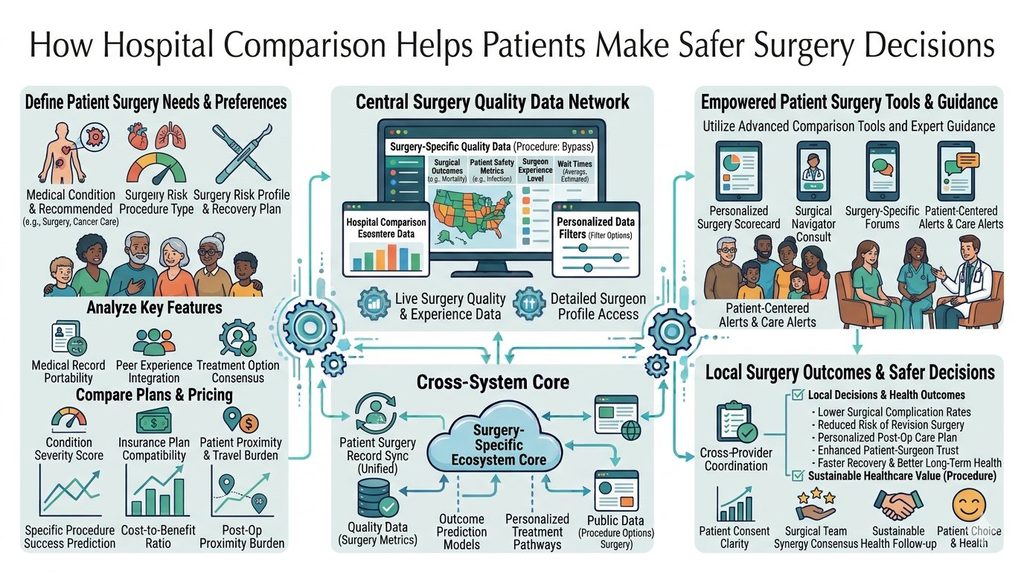
Planning for surgery is an important step for any patient and their family. Different hospitals offer different surgical care, facilities, safety protocols, and costs. Choosing a medical center based only on fame or location may not give you the best care for your procedure. Comparing hospitals helps you gather clear information before making a choice.
Evaluating your options allows you to look closely at safety factors, doctor qualifications, and patient care standards. This process helps you ask better questions, understand potential risks, and prepare for your procedure with confidence. Taking time to review these details leads to safer and better-informed medical choices.
What Hospital Comparison Means for Surgery
Hospital comparison for surgery means reviewing important details about two or more medical centers before choosing where to have an operation. Patients look at surgeon experience, hospital safety practices, equipment, costs, and recovery support.
For example, consider a patient who needs knee replacement surgery. One hospital may have advanced surgical tools, while another may offer lower costs. Comparing both facilities helps the patient weigh advanced tools against personal budget and travel needs.
Comparing hospitals does not remove every surgical risk. However, it gives patients a clear way to understand their choices when guided by qualified medical advice.
Why Hospital Comparison Matters Before Surgery
Gathering information before a planned operation helps you understand your choices and prepare for care. Comparing facilities allows you to verify medical services, double-check important details, and address personal concerns early.
Relying only on hospital advertisements or general popularity may not show if a facility fits your specific needs. The right choice depends on the surgery type, your overall health, and professional medical guidance.
Important Note: Hospital comparison is meant only for planned procedures. If you face a medical emergency, seek immediate care at the nearest emergency room without delay.
Important Factors Patients Should Compare
Surgeon Qualifications and Relevant Experience
A surgeon’s training and hands-on experience strongly affect your care. Patients should confirm that their doctor is board-certified and routinely performs the required procedure. You should also ask who will assist during the operation and manage your post-surgery care.
Hospital Experience With the Required Surgery
Hospitals vary in the types of operations they perform most often. A facility that handles high volumes of your specific procedure usually has well-trained support staff and dedicated recovery teams. Confirm that the medical center regularly offers the surgical service you need.
Patient Safety and Infection Prevention
Strict hygiene standards, proper medicine checks, and patient safety protocols help prevent complications. Patients should look for facilities that publish clear quality guidelines and follow strict safety practices. Clean operating environments and good hygiene reduce infection risks after surgery.
Operating Rooms and Medical Facilities
Modern operating rooms, proper monitoring equipment, and well-equipped intensive care units are vital for surgical safety. Patients should confirm that the hospital has the necessary tools for their specific operation, including backup systems for unexpected needs.
Anesthesia and Emergency Support
Anesthesia care requires proper pre-surgery assessment and continuous monitoring during the operation. Patients should ask who will administer anesthesia and what critical care support is available if complications occur. Safe anesthesia management is key to a smooth surgical experience.
Pre-Surgery Assessment and Preparation
Proper pre-surgery checks ensure your body is ready for an operation. The medical team should review your medical history, current medicines, and existing health conditions. Following your care team’s instructions before surgery helps lower health risks.
Recovery and Follow-Up Care
Recovery care is just as vital as the surgical procedure itself. Patients should check what post-surgery support, wound care guidance, and rehabilitation services are available. Clear discharge instructions help you manage pain and recognize warning signs at home.
Treatment Costs and Financial Clarity
Surgical expenses often include surgeon fees, anesthesia, facility charges, medicines, and follow-up visits. Asking for a clear cost estimate helps you understand what is covered and avoid unexpected bills. Higher costs do not always mean safer care, so aim for clarity rather than price alone.
Hospital Location and Accessibility
Travel distance, transport options, and proximity to family support play a role in your recovery. A nearby facility makes travel easier for pre-surgery visits and follow-up appointments. Balance convenience with medical suitability and safety when choosing location.
Patient Reviews and Reliable Quality Information
Reading feedback from former patients gives insights into nursing care, staff communication, and room cleanliness. Look across multiple review sources for a balanced view, but remember that individual comments cannot guarantee surgical outcomes.
How Hospital Comparison Can Support Safer Surgery Decisions
Reviewing hospital information helps patients identify key questions before their operation. By comparing facilities, you can confirm doctor qualifications, verify surgical facilities, check safety records, and understand recovery steps.
For example, a patient comparing two surgical centers might discover that one facility provides dedicated post-operative care while the other does not. Finding this detail early helps the patient select the facility that offers safer recovery support.
Surgical outcomes depend on many health factors, including the patient’s condition and the procedure itself. Hospital comparison supports informed decisions, but it cannot promise risk-free results. Always discuss your findings with a qualified healthcare professional.
How Patients Can Compare Hospitals Before Surgery
Patients planning a surgical procedure can follow this practical step-by-step process:
- Understand the Procedure: Learn why the surgery is needed and what it involves.
- Consult Your Doctor: Discuss suitable treatment choices and recommendations with a healthcare professional.
- Identify Facilities: Find hospitals that specialize in your required surgical procedure.
- Check Surgeon Credentials: Verify the surgeon’s training, experience, and certifications.
- Review Safety Protocols: Ask about infection prevention measures and patient safety checks.
- Verify Facilities: Confirm the hospital has proper operating rooms and recovery units.
- Check Recovery Support: Ask about post-surgery care, rehabilitation, and follow-up visits.
- Request Cost Estimates: Obtain an itemized breakdown of surgical and hospital fees.
- Consider Location: Think about travel time, transport, and family support needs.
- Ask Questions: Write down your concerns and discuss them with your care team before making a choice.
Questions Patients Should Ask Before Choosing a Hospital
Asking the right questions helps clear up doubts before your procedure. Consider discussing these points with your surgeon or hospital team:
- Does this hospital regularly perform the surgery I need?
- What treatment choices or surgical methods are available?
- What qualifications and experience does the surgeon have with this procedure?
- What are the primary risks and expected benefits of this surgery?
- What safety checks are performed before and during the operation?
- What anesthesia care and recovery support will be provided?
- What should I expect during my hospital stay and recovery period?
- What follow-up visits and post-surgery care will I need?
- What services are included in the estimated treatment cost?
- Who should I contact if complications or questions arise after surgery?
Common Mistakes Patients Should Avoid
Patients often make avoidable mistakes when choosing a facility for planned surgery:
- Choosing by Fame Alone: Selecting a hospital based only on its name without checking if it specializes in your operation can lead to poor care choices.
- Picking the Lowest Price: Choosing the cheapest option without reviewing included services may result in hidden charges or lack of support.
- Trusting Single Online Comments: Relying on one exaggerated online review can create unnecessary fear or false expectations.
- Ignoring Surgeon Credentials: Forgetting to check doctor experience can put your care in less experienced hands.
- Assuming High Cost Means Safety: High prices do not guarantee better medical results. Always check actual safety records and credentials.
- Overlooking Recovery Needs: Forgetting to plan for post-surgery support makes home recovery harder.
- Skipping Safety Questions: Failing to ask about infection rates or risks leaves you unprepared for care.
The Role of Families in Hospital Comparison
Family members provide vital support when a patient prepares for planned surgery. They can help research facilities, organize medical documents, compile lists of questions, and review cost estimates.
During appointments, family members can take notes and help clarify instructions given by healthcare providers. They also coordinate travel logistics and help set up home care for recovery.
While family help is valuable, decisions should always honor the patient’s choices and align with professional medical advice from the care team.
Surgical Hospital Comparison Guides
Key Hospital Factors Before Surgery
| Comparison Factor | Why It Matters | What Patients Should Check |
| Surgeon Qualifications | Directly impacts surgical skill, decision-making, and patient safety. | Specialty certifications, procedure experience, and doctor background. |
| Surgical Services | Ensures the hospital regularly handles your specific procedure. | Department focus, procedure volume, and specialty care teams. |
| Patient Safety | Reduces risks of hospital-acquired infections and care errors. | Sanitation standards, safety checklists, and infection rates. |
| Anesthesia Support | Crucial for pain control and safe monitoring during surgery. | Anesthesiologist qualifications and pre-surgery evaluations. |
| Recovery Care | Supports smooth healing and helps manage pain after surgery. | Post-op nursing support, ICU facilities, and wound care guidance. |
| Treatment Costs | Prevents unexpected financial strain after your operation. | Itemized cost breakdowns, hidden fees, and payment plans. |
Pre-Surgery Hospital Checklist
| Question or Check | Why It Matters | Information to Confirm |
| Planned Procedure | Clarifies treatment steps, risks, and expected benefits. | Surgery details and alternative treatment options. |
| Surgeon Experience | Ensures your doctor is experienced in your exact surgery. | Years of experience and board certifications. |
| Safety Practices | Protects patients from infections and surgical complications. | Cleanliness protocols and safety procedures. |
| Facility Equipment | Guarantees proper tools are ready for surgery and recovery. | Operating room features and intensive care units. |
| Cost Estimates | Helps you plan for surgical and hospital expenses. | Included services, doctor fees, and extra costs. |
| Follow-Up Care | Ensures proper monitoring and support during home recovery. | Discharge instructions, checkup schedules, and contacts. |
How SURGERYPLANET Fits Into the Patient Information Journey
Access to clear healthcare information helps patients make informed, confident choices. Learning about surgical procedures, safety factors, and doctor credentials allows patients to participate actively in their care.
SURGERYPLANET offers educational content to help patients understand hospital options, ask better questions, and prepare for surgery. Providing reliable guidance helps patients and families approach planned surgery with clarity and peace of mind.
Frequently Asked Questions
How does hospital comparison help patients make safer surgery decisions?
Comparing hospitals helps patients evaluate safety standards, surgeon credentials, facilities, and care quality, enabling them to make informed and safer choices.
What should patients check before choosing a hospital for surgery?
Patients should check surgeon experience, hospital safety records, operating room equipment, anesthesia care, recovery facilities, and cost estimates.
Why are surgeon qualifications important when choosing a hospital?
Checking surgeon qualifications ensures that the doctor performing your operation has proper training, board certifications, and experience with your specific procedure.
How can patients check hospital safety before surgery?
Patients can ask about hygiene practices, infection rates, pre-surgery safety checklists, and official quality standards followed by the hospital staff.
What questions should patients ask before a planned operation?
Ask about surgeon credentials, procedure risks, treatment choices, safety checks, anesthesia care, expected recovery timelines, and detailed cost estimates.
Why should patients compare surgery costs between hospitals?
Comparing costs helps patients understand what expenses are covered, avoid unexpected bills, and find clear pricing without compromising care quality.
How can patients check whether a hospital has the right facilities for surgery?
Patients can ask if the facility has modern operating rooms, advanced diagnostic tools, intensive care units, and emergency support systems on-site.
Are online hospital reviews enough to judge surgical safety?
No. Online reviews give general feedback on staff behavior and cleanliness, but they cannot verify medical quality or predict your personal surgical outcome.
Why is follow-up care important when choosing a surgical hospital?
Proper follow-up care helps manage pain, prevents wound infections, tracks healing progress, and ensures a safer recovery after you leave the hospital.
Can comparing hospitals guarantee a safer surgery outcome?
No comparison can remove all surgical risks, but reviewing information helps patients reduce preventable risks and make well-informed healthcare choices.
Conclusion
Comparing hospitals before a planned operation helps patients make safer, well-informed healthcare decisions. Reviewing surgeon qualifications, safety standards, operating facilities, anesthesia support, costs, and recovery care gives patients clear insights into their options.
While no research can eliminate every surgical risk, gather reliable information, ask clear questions, and discuss your choices with a qualified healthcare professional before making final decisions.