Introduction
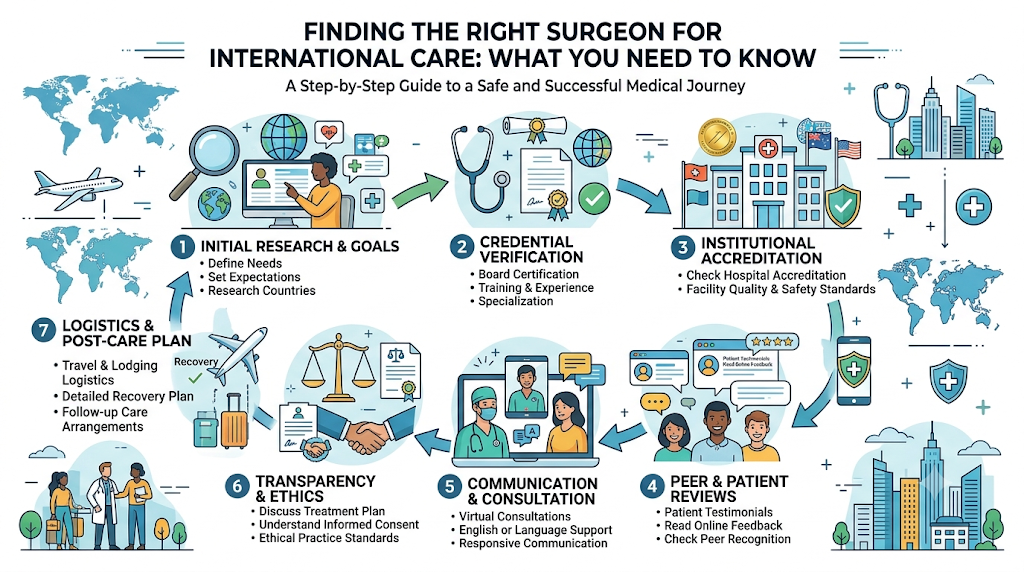
Planning to travel to another country for surgery is a major step. Finding the right specialist abroad can feel challenging for many patients. You need to check a surgeon’s background, qualifications, and actual surgical experience. You must also evaluate hospital facilities and patient safety standards before making a decision.
This guide explains how to select a surgeon for care overseas. Platforms like SurgeryPlanet help connect patients with helpful information to guide these important health choices.
Understand the Role of a Surgeon
A general doctor helps diagnose illnesses and provides basic medical treatments. A surgeon is a specialist trained to perform complex operations. Surgery involves specialized tools, operating rooms, and direct physical procedures.
You should choose a doctor who regularly performs your specific type of surgery. General medical experience is not the same as surgical practice. Focused practice helps ensure that the specialist handles complex steps safely.
Identify Your Surgical Needs First
Before looking for a specialist abroad, gather your current medical diagnosis and test reports. Clear health records help international medical teams review your history accurately.
Understand the specific procedure recommended for your condition. Ask your local doctor if any non-surgical options exist. Getting a second medical opinion helps confirm if surgery is truly your best option. Always discuss your health goals with qualified medical professionals first.
Check the Surgeon’s Qualifications
Reviewing a doctor’s educational background is a key safety step. Look for their university degrees, surgical training, and specialist credentials. Certified specialists pass strict exams to prove their knowledge.
Verify their professional registration with an official medical board. A simple job title does not guarantee surgical expertise. Checking official sources helps confirm that the doctor meets strict legal and professional standards.
Review Experience With Your Required Surgery
A doctor may have practiced medicine for many years. However, you need to know their experience with your specific procedure. Frequent practice helps doctors refine their technique and improve patient safety.
Ask if the doctor handles complex cases similar to yours. Check if they have training in modern surgical methods. A qualified specialist should explain the procedure clearly and discuss all potential risks.
Understand the Surgeon’s Surgical Approach
Every doctor has a specific method for performing operations. Ask why a particular surgical approach is recommended for your health condition.
Explore the expected benefits, potential risks, and estimated recovery times. Ask what other treatment options exist if you decide to wait. Knowing what happens if surgery is delayed helps you make an informed choice.
Research the Hospital or Surgical Centre
A surgeon needs a modern facility to deliver safe care. Look for accredited hospitals with clean operating rooms and modern equipment.
Check if the facility has an intensive care unit and emergency support. Reliable anesthesia services and trained nursing teams are vital for smooth recovery. Both the doctor’s skill and the hospital’s support impact your safety.
Factors to Check Before Choosing an International Surgeon
| Selection Factor | What Patients Should Check | Why It Matters |
|---|---|---|
| Qualifications | Training, credentials, and medical registration. | Helps verify professional background and training. |
| Surgical Experience | Frequency of performing the required procedure. | Shows relevant surgical practice and routine skill. |
| Hospital Support | Facilities, ICU, and emergency services. | Helps assess the safety of the care setting. |
| Patient Communication | Clear answers and language translation support. | Helps patients understand their complete care plan. |
| Treatment Plan | Procedure options, benefits, and potential risks. | Supports informed decisions before agreeing to surgery. |
| Follow-Up Care | Recovery guidance and remote contact support. | Helps plan care after returning home safely. |
Check the Surgical Team
Surgical care involves more than just one primary specialist. Anesthesiologists, surgical assistants, and scrub nurses play major roles in the operating room.
Ask about the team members involved in your care. Knowing who monitors your vital signs during surgery builds extra confidence. A well-trained team ensures better safety throughout your stay.
Review Patient Feedback Carefully
Reading feedback from past patients offers useful insights into a doctor’s practice. Patient stories often highlight communication styles, hospital cleanliness, and post-surgery care.
However, online reviews should not be your only research tool. Star ratings do not show complete medical outcomes or safety records. Always balance patient comments with verified credentials and hospital standards.
Understand Surgical Risks and Safety Measures
Every operation carries some level of medical risk. Ask your doctor to explain potential complications related to your procedure.
Discuss infection controls, anesthesia safety, and blood management plans. Ask what arrangements exist if emergency care is required. Understanding safety steps helps reduce anxiety before your surgery.
Check Communication and Language Support
Clear communication is essential when receiving medical care overseas. You must be able to express concerns and understand post-surgery instructions easily.
Find out if the specialist speaks your language fluently. If not, check if the hospital provides qualified medical interpreters. Ensure all medical documents and consent forms are available in a language you understand.
Understand the Full Cost of Surgery
Request a written cost estimate before traveling for medical treatment. This quote should list consultation fees, surgical costs, and anesthesia charges.
Include expenses for hospital stays, medicines, medical supplies, and follow-up visits. Remember that total costs can change if your condition requires extra care. Clear financial details help you avoid unexpected bills.
Plan Travel and Medical Arrangements
International medical travel requires careful logistical planning. Organize your medical records, test results, and doctor notes before booking flights.
Schedule virtual consultations before traveling to discuss your case. Plan enough post-surgery stay time for safe recovery before flying home. Platforms like SurgeryPlanet provide information that helps patients organize care steps smoothly.
Practical Surgeon Selection Checklist
- Verify the doctor’s board certification and official license.
- Confirm the doctor’s regular experience with your specific procedure.
- Understand the recommended surgical approach and potential risks.
- Explore available alternative or non-surgical treatment options.
- Check if the hospital holds international safety accreditation.
- Identify the roles of the anesthesia and surgical support team.
- Obtain an itemized written estimate covering all treatment costs.
- Ensure clear language support and translation services are available.
- Confirm travel plans allow enough recovery time before returning home.
- Establish a clear plan for follow-up care with your local doctor.
Ask Important Questions Before Choosing a Surgeon
- What specialist training do you have for this surgery?
- How many times have you performed this procedure this year?
- Why is this specific surgical method best for me?
- What are the main risks and potential complications?
- What hospital facilities and emergency support are available?
- What is the total estimated cost for all care steps?
- How long must I rest before traveling back home?
- Who coordinates my care after I return home?
Watch for Warning Signs
Be cautious if a clinic pressures you to book surgery quickly. Medical decisions require careful research and clear thought. Never trust providers who promise guaranteed results, as all surgeries carry risks.
Watch out for unclear cost estimates and hidden fees. If a specialist avoids answering questions about their qualifications, look for another doctor. Patient safety must always come first.
Compare Surgeons Before Making a Decision
Do not choose the first specialist you find online. Compare two or three qualified surgeons before making your choice.
Review their credentials, specific surgical experience, hospital standards, and costs. The cheapest option or most aggressive advertisement is rarely the best choice. Taking time to compare options leads to safer medical decisions.
Plan Follow-Up Care After Surgery
Your medical journey continues after you leave the hospital. Get written discharge summaries, operation notes, and medication guidelines in your language.
Share these records with your local doctor once you return home. Arrange remote check-ins with your international surgeon to monitor recovery. Knowing who to call if concerns arise ensures a safe recovery process.
Frequently Asked Questions (FAQs)
How do I verify an international surgeon’s credentials?
Check their background through official national medical registries, surgical societies, and accredited hospital directories online.
Why is hospital quality as important as the surgeon’s skill?
A skilled surgeon needs modern operating tools, clean rooms, and emergency support to perform procedures safely.
Can I consult with an international surgeon before traveling?
Yes, many surgeons offer virtual consultations to review medical records and discuss treatment plans before you travel.
What should I do if there is a language barrier?
Choose hospitals that provide fluent English-speaking staff or certified medical interpreters for all discussions.
How long should I stay abroad after surgery?
Recovery times vary by procedure. Ask your surgeon how many days you must rest before flying safely.
Are surgical results guaranteed by experienced specialists?
No, medical outcomes cannot be guaranteed. Responsible surgeons explain potential risks rather than promising perfect results.
What records should I take to an international hospital?
Bring all recent blood tests, scan images, doctor notes, prescription lists, and a written health summary.
What are major warning signs when picking a surgeon abroad?
Avoid specialists who push fast bookings, hide fees, refuse to share credentials, or promise guaranteed outcomes.
How does SurgeryPlanet support international patients?
SurgeryPlanet shares educational information, helping patients understand surgical options, check credentials, and plan care abroad safely.
How do I manage follow-up care after returning home?
Obtain complete medical discharge reports and coordinate with a local doctor for ongoing check-ups and wound care.
Conclusion
Choosing a surgeon for international medical treatment requires thorough research and care. Always check a specialist’s credentials, official registration, and experience with your specific procedure. Make sure the hospital maintains strong safety standards, emergency care, and clear communication support.
Understand all surgical steps, potential risks, and financial costs before booking your trip. Planning for proper follow-up care at home protects your health throughout recovery. Taking these steps helps ensure a safe, successful medical experience abroad.